Why Modest Activewear Layering Often Backfires in Hot Weather (And the Fix)
Quick Answer: Layering additional fabric for coverage in hot weather often traps heat and moisture between layers rather than allowing it to escape, especially when the layering order isn’t optimized — a moisture-wicking base layer under a breathable, looser outer layer manages heat far better than simply adding more fabric on top of what’s already there.
More fabric for coverage seems like it should just mean more coverage. In summer heat, it frequently means trapped heat, trapped moisture, and a workout that feels significantly harder than the actual effort warrants.

Why does adding layers for coverage trap heat instead of just adding coverage?
Each additional layer creates another boundary that slows heat and moisture from escaping the body’s surface. Without a deliberate fabric strategy, that trapped moisture (sweat that can’t evaporate efficiently) keeps the body warmer than a single well-designed breathable layer would, since evaporative cooling is significantly reduced when moisture has nowhere to go.
What layering order actually manages heat better for modest activewear?
A moisture-wicking, closer-fitting base layer next to skin (to pull sweat away from the body) topped with a looser, more breathable outer layer (allowing airflow and moisture to escape rather than trapping it) manages heat far more effectively than two similar-weight layers stacked without this specific order in mind.
Does fabric type matter more than the amount of coverage itself?
Often yes — a technical moisture-wicking fabric with more coverage can perform better in heat than a smaller amount of coverage in a heavy, non-breathable cotton blend, since fabric technology affects heat management more directly than surface area alone.
Are there specific modest activewear categories where this problem shows up most?
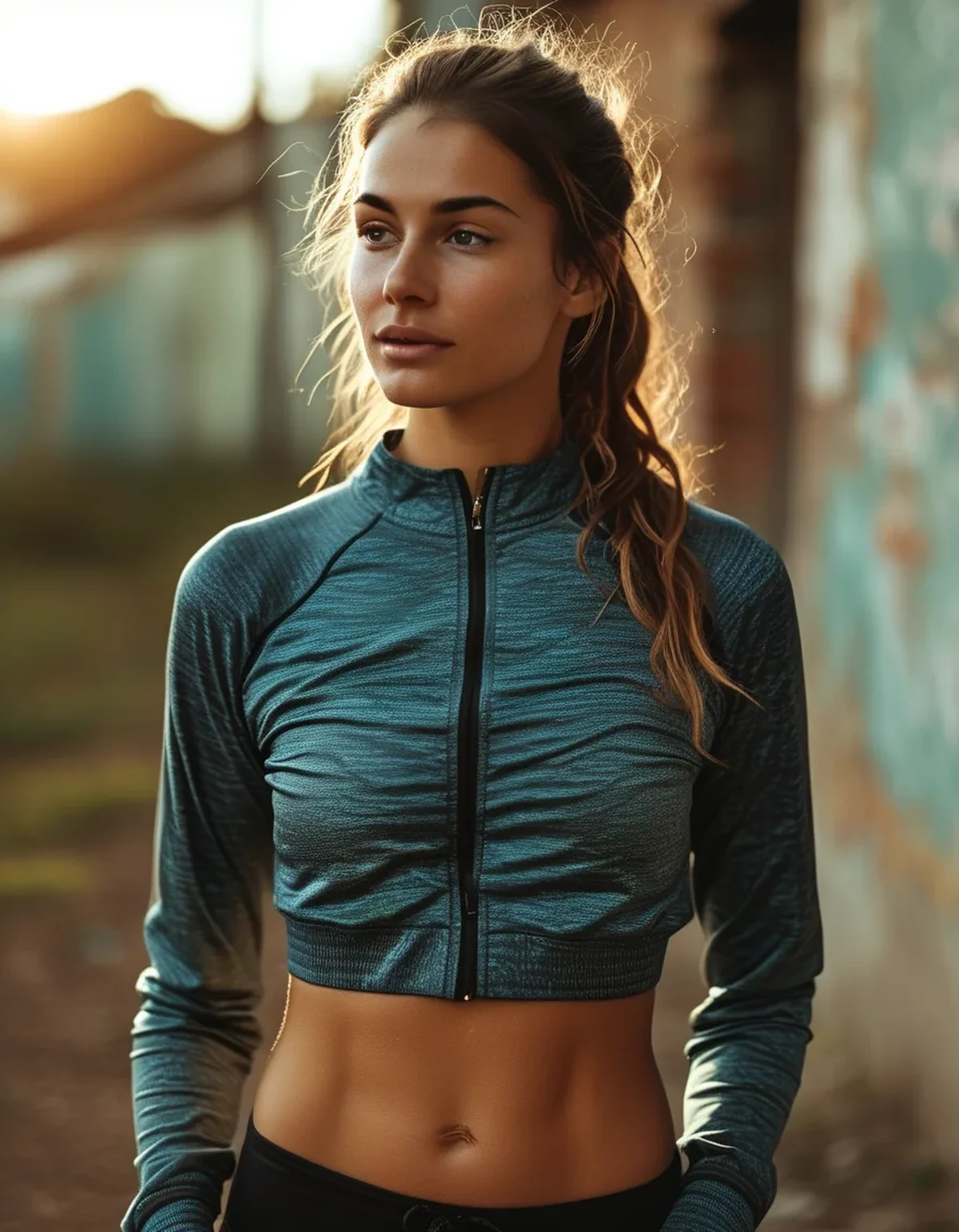
Running and outdoor cardio in summer heat tend to show this problem most acutely, since sustained heart rate and sweat production make heat management more urgent than in lower-intensity activities like modest yoga practice, where the same layering choices matter less.
Does swimwear face a different version of this same layering challenge?
Yes — modest swimwear needs both sun protection and enough breathability to avoid trapping heat once out of the water, which is a somewhat different fabric challenge than land-based activewear, typically solved with UPF-rated, quick-drying technical fabrics rather than standard swim fabric with more coverage added on.
FAQ: Modest Activewear Heat Management, Answered
What’s the single biggest fabric-order mistake to avoid?
Stacking two non-wicking layers of similar weight — always aim for a wicking base layer specifically, regardless of what goes over it.
Does color of the outer layer matter for heat in addition to fabric choice?
Yes — lighter colors reflect more heat than dark colors, which compounds with fabric breathability rather than replacing the need for it.
Is it possible to get full coverage without overheating in genuinely hot climates?
Yes, with the right technical fabric choices — full coverage and heat management aren’t mutually exclusive, but they do require intentional fabric and layering decisions rather than simply adding more material.
TL;DR:
- Extra layers without a fabric strategy trap heat and moisture rather than just adding coverage
- A wicking base layer under a looser, breathable outer layer manages heat far better than similar-weight stacked layers
- Fabric technology often matters more than total coverage amount for heat management
- Running and cardio in heat show this problem most acutely; lower-intensity activities are more forgiving
Next hot-weather workout, check your layering order (wicking base first) before adding more fabric for coverage — the order matters more than the amount.
See It in Motion
Seen here: UPF 50+ Adjustable A-Line Running Skort with Pockets — shop it on bubblelime.com
Keep Reading
This article is for general informational and styling purposes only. Fit, sizing, and product availability may vary.