Why Layering for Modesty Often Backfires and Traps More Heat Than Expected
Quick Answer: Layering for modesty traps excess heat mainly when a non-breathable or tightly fitted layer sits directly against skin without a moisture-wicking base layer underneath, since that combination blocks sweat evaporation — the body’s primary cooling mechanism during exercise — rather than simply adding warmth. The fix isn’t avoiding layers altogether, it’s choosing breathable fabric and a layering order that still allows sweat to evaporate outward.
You added a layer specifically for coverage and ended up far hotter than expected, sometimes hotter than you’d have been with no extra layer at all. That’s a real fabric and layering-order problem, not a sign modest activewear and hot weather simply don’t mix.
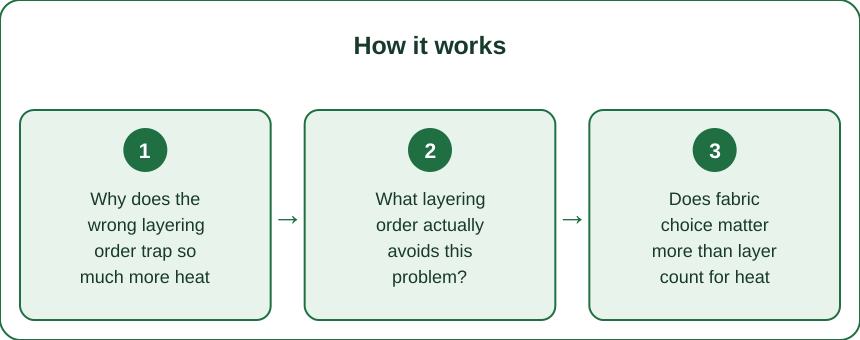
Why does the wrong layering order trap so much more heat than expected?
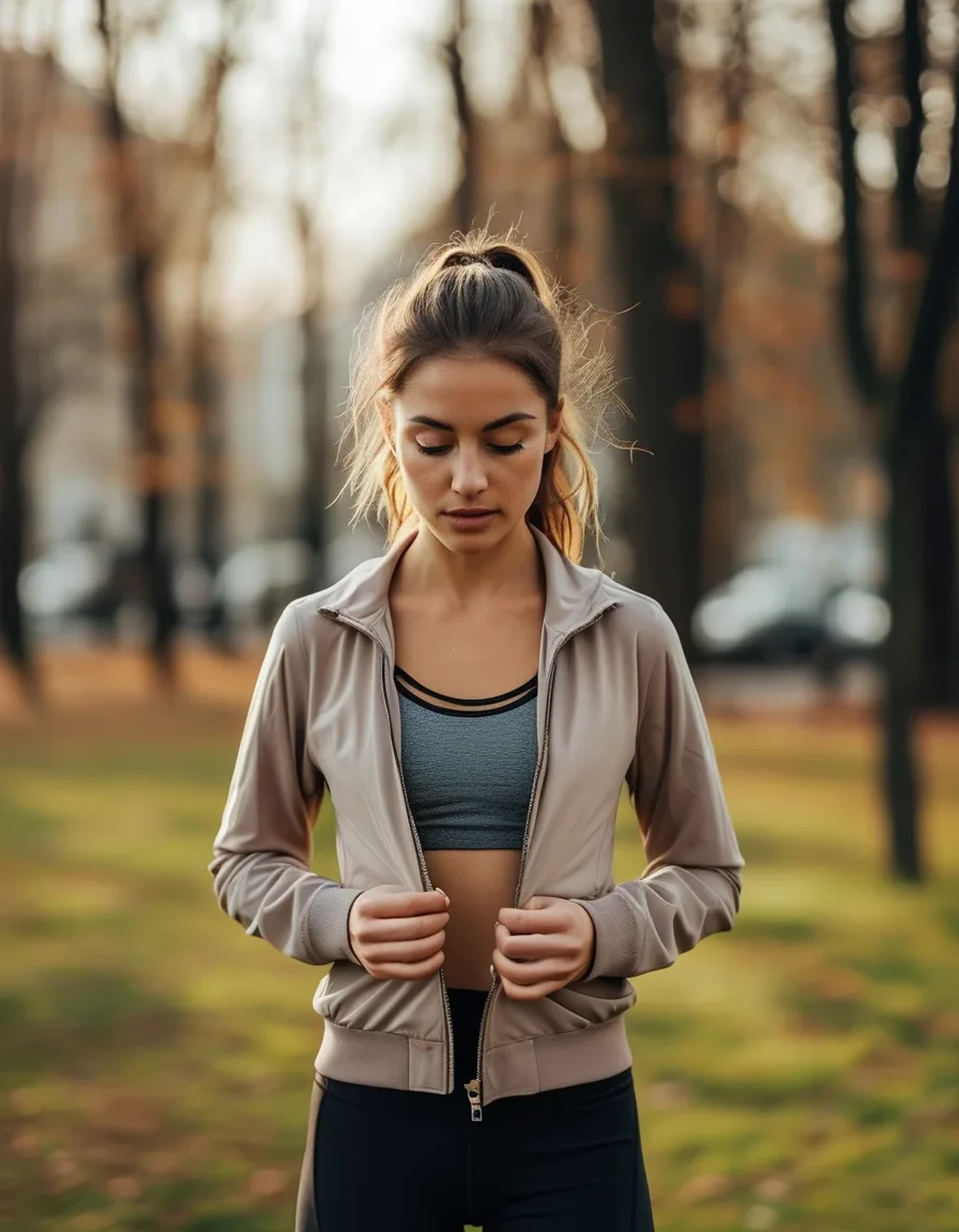
Sweat cools the body primarily through evaporation, and any layer that blocks that evaporation — rather than wicking moisture away from skin — traps heat and humidity against the body instead of letting it escape. A non-wicking layer directly against skin, topped by another layer, creates exactly this trapped-moisture problem, which is why the combination can feel hotter than a single well-chosen breathable layer would.
This is a fabric science issue more than a coverage issue, meaning the amount of skin covered matters less for heat than which specific fabrics are doing the covering and in what order.
What layering order actually avoids this problem?
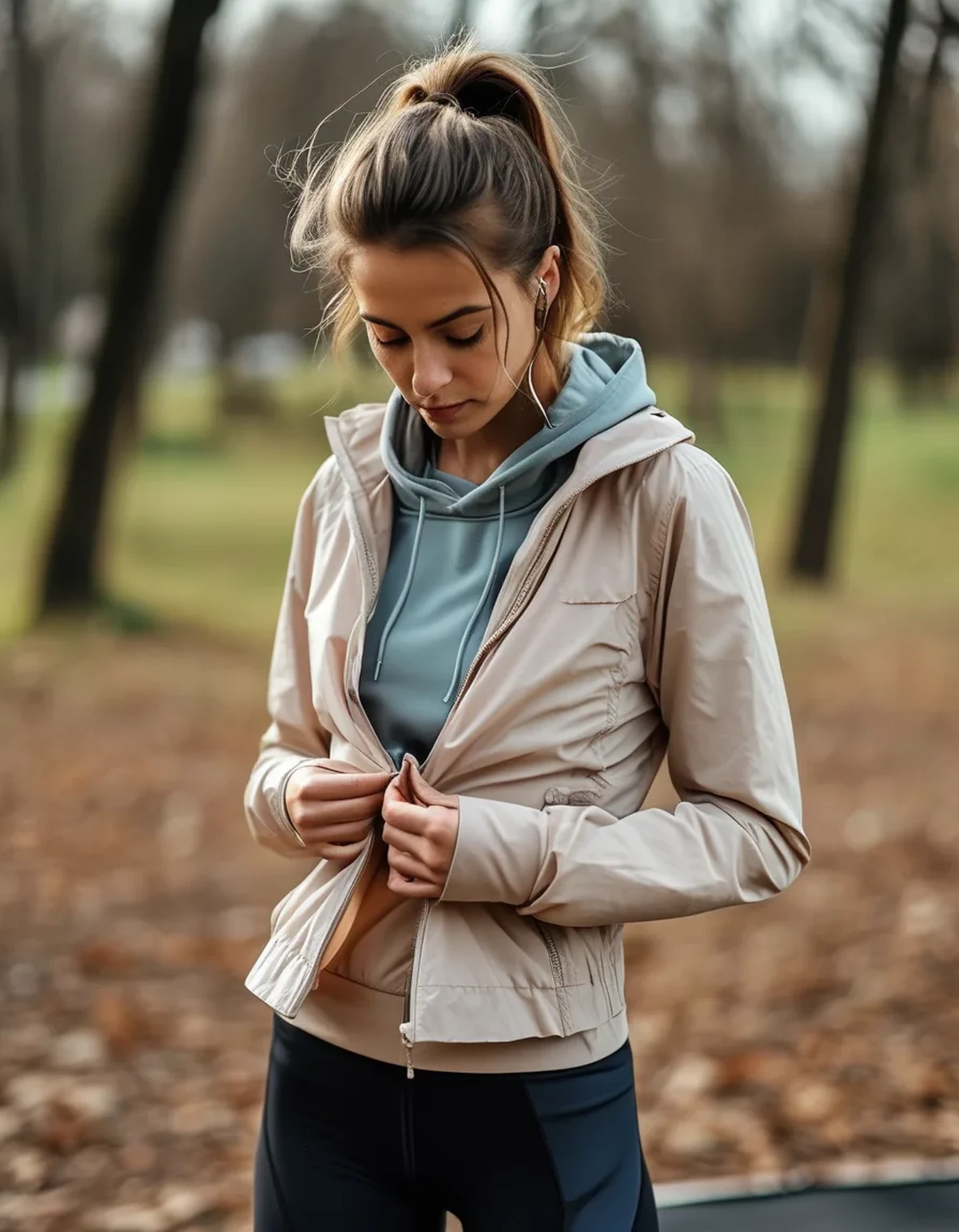
A genuinely moisture-wicking base layer directly against skin, topped by a breathable, looser outer layer, allows sweat to move away from the body and still evaporate, rather than getting trapped between two layers. This order — wicking base, breathable outer — matters more than the total number of layers or overall coverage amount.
A loose, breathable outer layer specifically, rather than a tight one, also allows some air circulation between layers, which further supports the evaporation process rather than sealing moisture in.
Does fabric choice matter more than layer count for heat management?
Yes, considerably — a single layer of poor-quality, non-breathable fabric can trap more heat than two layers of genuinely breathable, moisture-wicking fabric. This is why simply removing a layer isn’t always the right fix if the remaining single layer is still the wrong fabric type; sometimes the better fix is swapping fabric quality rather than reducing coverage.
This reframe is useful specifically for modest activewear, where coverage is a priority that doesn’t have to be sacrificed if fabric choice is addressed correctly instead.
Myth vs Fact: Modest Activewear and Heat
Myth: More coverage always means more heat retention. Fact: Fabric type and layering order determine heat retention far more than total coverage amount — well-chosen breathable coverage can perform similarly to less coverage in poor fabric.
Myth: Loose layers are always cooler than fitted ones. Fact: A loose outer layer helps airflow, but only if paired with a wicking base layer — a loose non-wicking layer over bare skin can still trap heat and moisture against the body.
FAQ: Modest Activewear Layering and Heat, Answered
What fabric should the base layer specifically be made from for hot-weather workouts?
Synthetic wicking fabrics (polyester or nylon blends specifically engineered for moisture-wicking) or certain technical merino wool blends tend to outperform cotton, which absorbs and holds moisture rather than moving it away from skin.
Is it possible to stay modest and still workout comfortably in extreme heat?
Yes — the combination of a genuine wicking base layer, a loose breathable outer layer, and lighter colors that reflect rather than absorb heat can make modest coverage workable even in hot conditions.
Should I choose fewer, higher-quality layers over more, cheaper ones?
Generally yes — one or two well-chosen technical fabric layers tend to outperform three or more layers of lower-quality, non-breathable fabric for both comfort and heat management.
TL;DR:
- Heat trapping mainly comes from blocked sweat evaporation, not from coverage amount itself
- A wicking base layer under a loose, breathable outer layer allows sweat to evaporate properly
- Fabric quality often matters more than the number of layers for actual heat management
- Well-chosen breathable coverage can perform similarly to less coverage in poor-quality fabric
The goal was never to choose between modesty and comfort — it’s choosing the right fabric and layering order, which makes both genuinely achievable at the same time even in hot weather.
See It in Motion
Seen here: Racerback Tank Top - White — shop similar styles on bubblelime.com
Keep Reading
This article is for general informational and styling purposes only. Fit, sizing, and product availability may vary.