Why Double-Layering for Modesty Traps More Heat Than a Single Technical Fabric Layer
Quick Answer: Doubling up two layers of regular activewear for extra coverage traps heat because each additional fabric layer adds insulation and reduces airflow and moisture evaporation from the skin, even when both layers are lightweight — a single layer of purpose-built modest technical fabric, designed with built-in coverage and moisture-wicking performance together, regulates heat far better than stacking two separate lighter garments.
Stacking two lightweight tops for extra coverage seems like it should stay just as breathable as one, but the actual heat-trapping math doesn’t work that way.
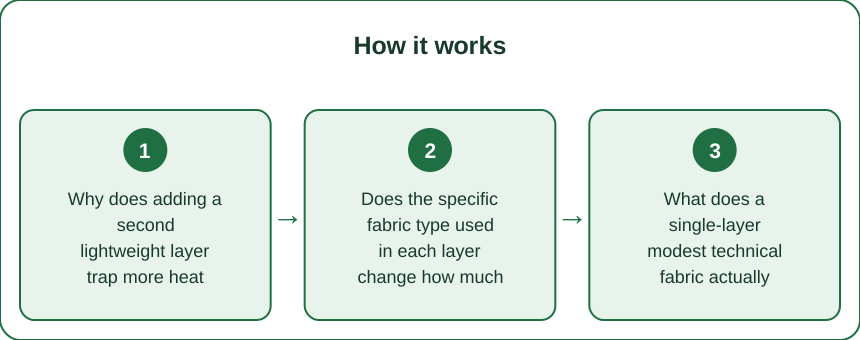
Why does adding a second lightweight layer trap more heat than expected?
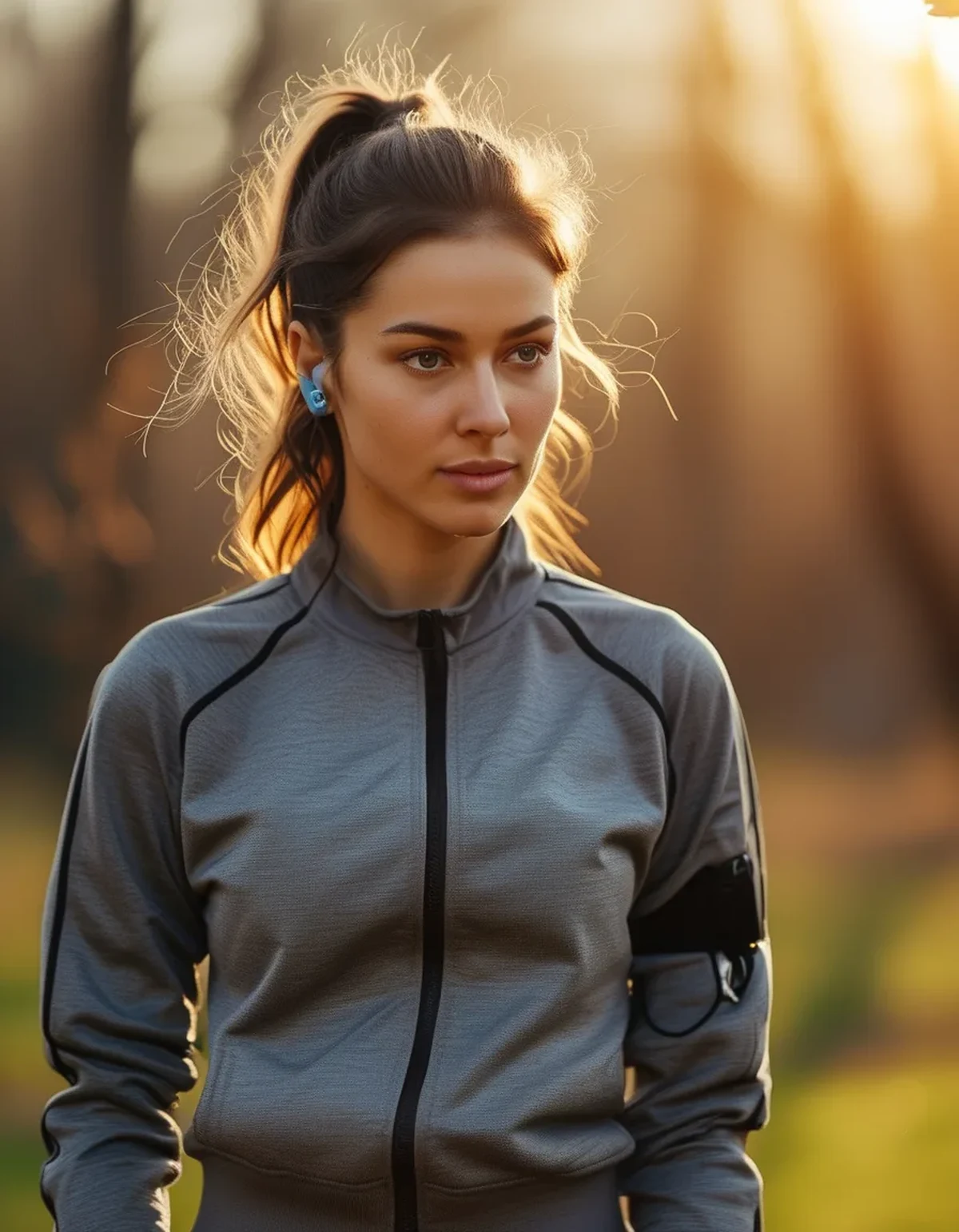
Each fabric layer, even a thin one, adds a measure of thermal insulation and restricts the air gap that allows moisture to evaporate off the skin and escape as vapor. Two thin layers stacked together don’t just add their individual thinness — they create a trapped air pocket between them that holds heat and humidity closer to the skin than either layer would alone, which is the core reason double-layering backfires in warm conditions.
Does the specific fabric type used in each layer change how much this matters?
Yes, significantly — layering two pieces of a breathable, moisture-wicking technical fabric traps meaningfully less heat than layering two pieces of cotton or a non-technical blend, since technical fabrics are engineered to move moisture vapor through the fabric rather than holding it. Even so, two technical layers still trap more heat than one, just less dramatically than two non-technical layers would.
What does a single-layer modest technical fabric actually do differently to solve this?
Purpose-built modest activewear fabric is engineered to provide coverage and structure in a single layer — often through a slightly heavier weight, opacity treatment, or double-knit construction — without requiring a second garment stacked on top for the same coverage level. This single-layer approach preserves the moisture-wicking and airflow properties a technical fabric is designed for, which a stacked two-garment combination inherently compromises.
Are there specific fabric features worth looking for in single-layer modest activewear?
Four-way stretch with a moisture-wicking treatment, combined with an opacity rating built into the weave rather than achieved through double-layering, is the combination worth prioritizing — some brands specifically market this as “single-layer opaque” or similar language, distinguishing it from thinner fabric that still requires layering underneath for coverage.
Myth vs Fact: Modest Activewear Layering
Myth: Two thin layers are always cooler than one slightly heavier layer. Fact: The trapped air and moisture between two layers often makes the combination hotter overall than a single well-engineered technical fabric of comparable total thickness.
Myth: Achieving modest coverage always requires layering multiple garments. Fact: Purpose-built modest activewear fabrics increasingly provide full coverage in a single garment, without the heat cost of stacking two pieces.
FAQ: Modest Activewear Heat Management, Answered
Is double-layering ever the right call despite the heat tradeoff?
In cold or indoor air-conditioned settings, yes — the heat-trapping tradeoff only becomes a real problem in warm outdoor conditions, where a single technical layer performs meaningfully better.
How can opacity be checked before buying a single-layer piece, without trying it on?
Holding the fabric up to bright light in product photos or videos, or checking reviews specifically mentioning opacity in movement (not just standing still), gives a more reliable read than the product description alone.
Does color affect heat retention as much as the layering itself?
Yes, separately — darker colors absorb more heat from sun exposure regardless of layering, so combining a lighter color with a single technical layer compounds the heat-management benefit further.
TL;DR:
- Stacking two lightweight layers traps heat and moisture between them, often more than either layer alone
- Technical fabric layers trap less heat than non-technical layers, but still more than a single layer would
- Purpose-built single-layer modest fabric provides coverage without the heat cost of double-layering
- Color and fabric opacity treatment matter alongside the layering choice for overall heat management
The instinct to layer up for more coverage often works against the actual goal in hot weather — a well-engineered single layer usually manages heat better than two thinner ones stacked together.
See It in Motion
Seen here: High Waist Drawstring Wide Leg Yoga Pants with Pockets — shop it on bubblelime.com
Keep Reading
This article is for general informational and styling purposes only. Fit, sizing, and product availability may vary.