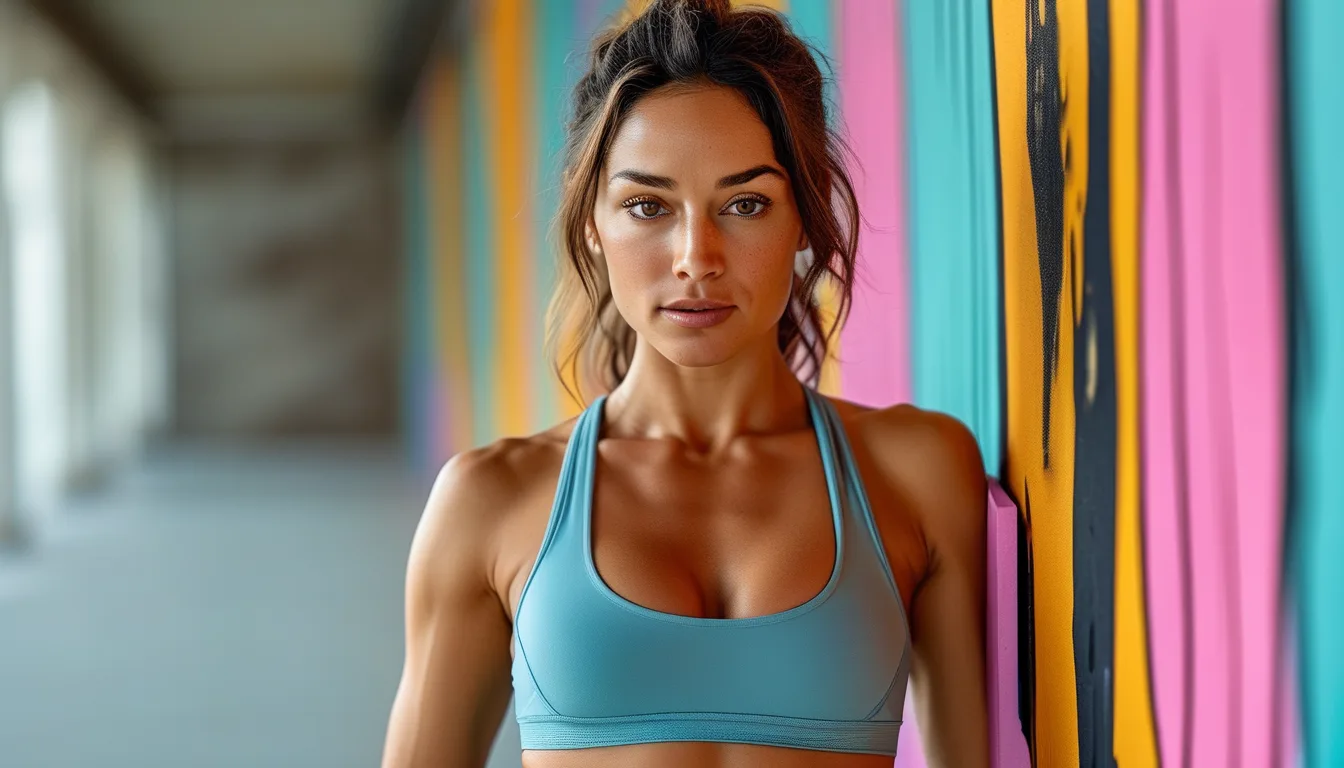
The Fabric Layering Order That Actually Prevents Overheating in Modest Activewear
Quick Answer: The layering order matters more than the number of layers — a moisture-wicking synthetic or technical fabric should sit closest to skin, with looser, breathable layers on top, since putting a non-wicking fabric against skin traps sweat regardless of how breathable the outer layers are.
You’ve added more breathable outer layers to your modest activewear and you’re still overheating faster than expected. The outer layer isn’t usually the problem — it’s what’s touching your skin first.
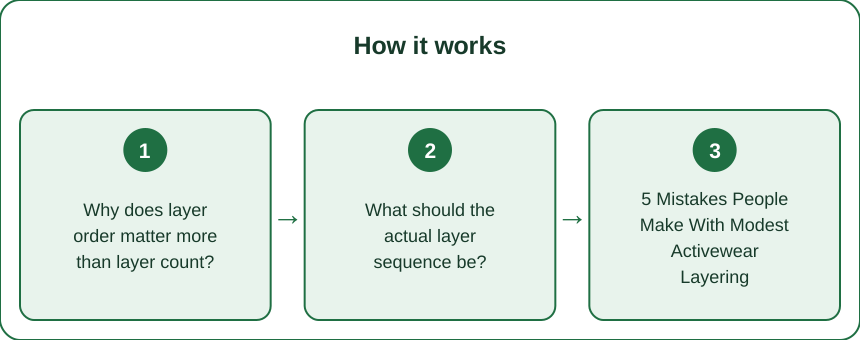
Why does layer order matter more than layer count?
Sweat needs to move away from skin and through the fabric layers to evaporate — that’s how the body actually cools itself during exercise. If the layer closest to skin is a non-wicking fabric like plain cotton, sweat sits against skin instead of moving outward, and no amount of breathable outer layering fixes that, because the moisture is trapped at the source rather than being able to travel through the system.
What should the actual layer sequence be?
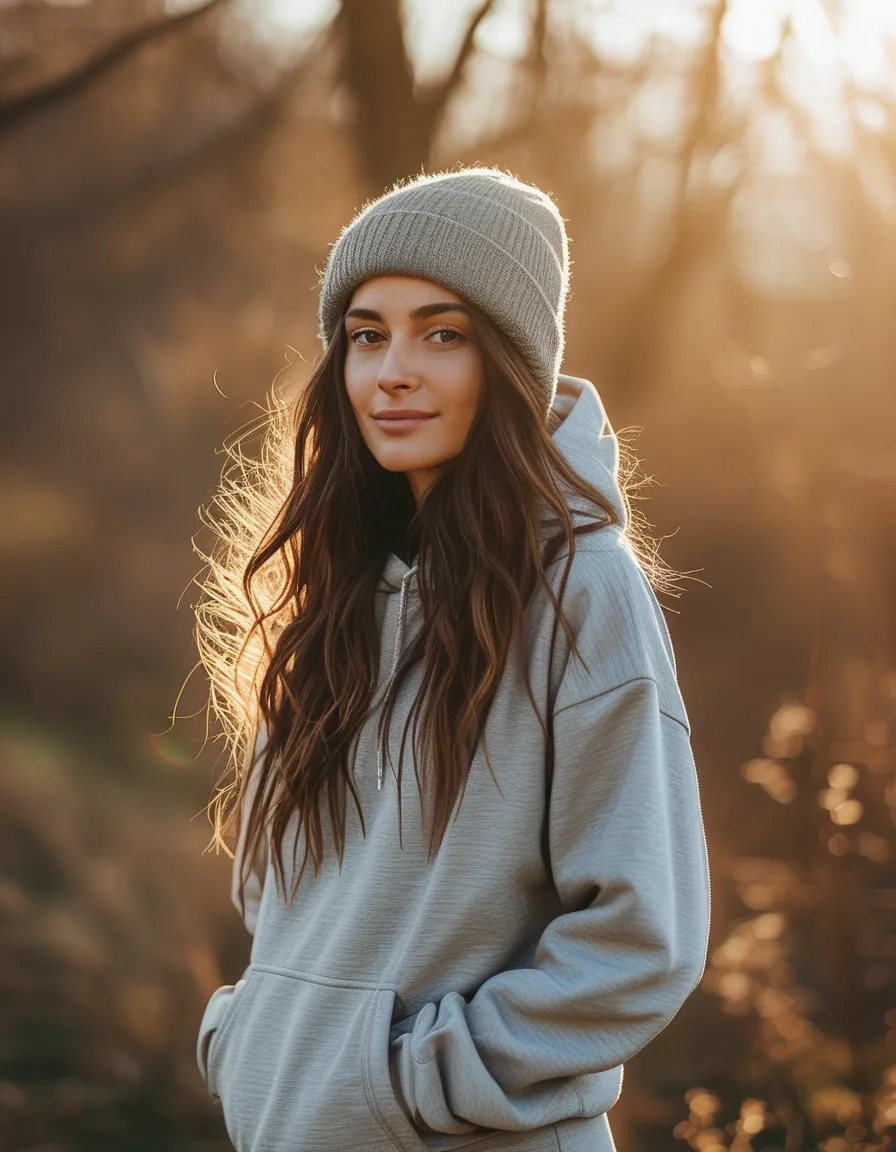
Layer 1 (against skin): a moisture-wicking technical fabric — polyester or nylon blends designed to pull sweat away from skin. Layer 2: a looser, breathable mid layer for coverage, ideally still a lightweight technical or blended fabric rather than heavy cotton. Layer 3 (if needed): a loose, airflow-friendly outer layer — lightweight and non-restrictive rather than tightly woven, so the moisture that’s traveled outward can actually evaporate instead of getting trapped again at the final layer.
5 Mistakes People Make With Modest Activewear Layering
1. Using cotton as a base layer — it absorbs and holds moisture rather than moving it, the opposite of what a base layer should do. 2. Layering too tightly — even breathable fabrics need some air gap between layers to actually facilitate airflow. 3. Choosing dark, heat-absorbing colors for outer layers in hot weather — color affects heat absorption meaningfully in direct sun. 4. Ignoring fabric weight for the season — heavyweight jersey works differently than lightweight technical mesh; matching weight to conditions matters as much as layer count. 5. Adding layers only for coverage without considering function — coverage and breathability aren’t mutually exclusive if fabric choice is deliberate at each layer.
Does color choice really make a meaningful difference?
Yes, more than people expect — darker colors absorb more solar heat in direct sun, which compounds the overheating problem on top of fabric choice. For outdoor activity in warm weather, lighter-colored outer layers paired with the correct wicking base layer produce a noticeably cooler experience than dark-colored layers with the same fabric technology.
FAQ: Modest Activewear Layering Questions, Answered
Are there specific fabric blends best for hot-weather modest activewear?
Polyester-spandex or nylon-spandex blends with wicking treatments are common, effective choices for hot weather; look for tags mentioning moisture-wicking or quick-dry specifically.
Does loose-fitting always mean cooler than fitted?
Not automatically — loose fitting allows airflow, but only if the fabric itself is breathable; a loose non-breathable fabric can still trap heat.
How many layers is actually appropriate for hot weather?
Often just two well-chosen technical layers outperform three layers where one is the wrong fabric — quality of each layer matters more than total count.
TL;DR:
- Layer order matters more than layer count — wicking fabric needs to be closest to skin
- Cotton as a base layer traps moisture instead of moving it away
- Loose fit only helps if the fabric itself is breathable
- Lighter colors reduce heat absorption meaningfully in direct sun
If you’re still overheating despite breathable outer layers, check what’s actually touching your skin first.
See It in Motion
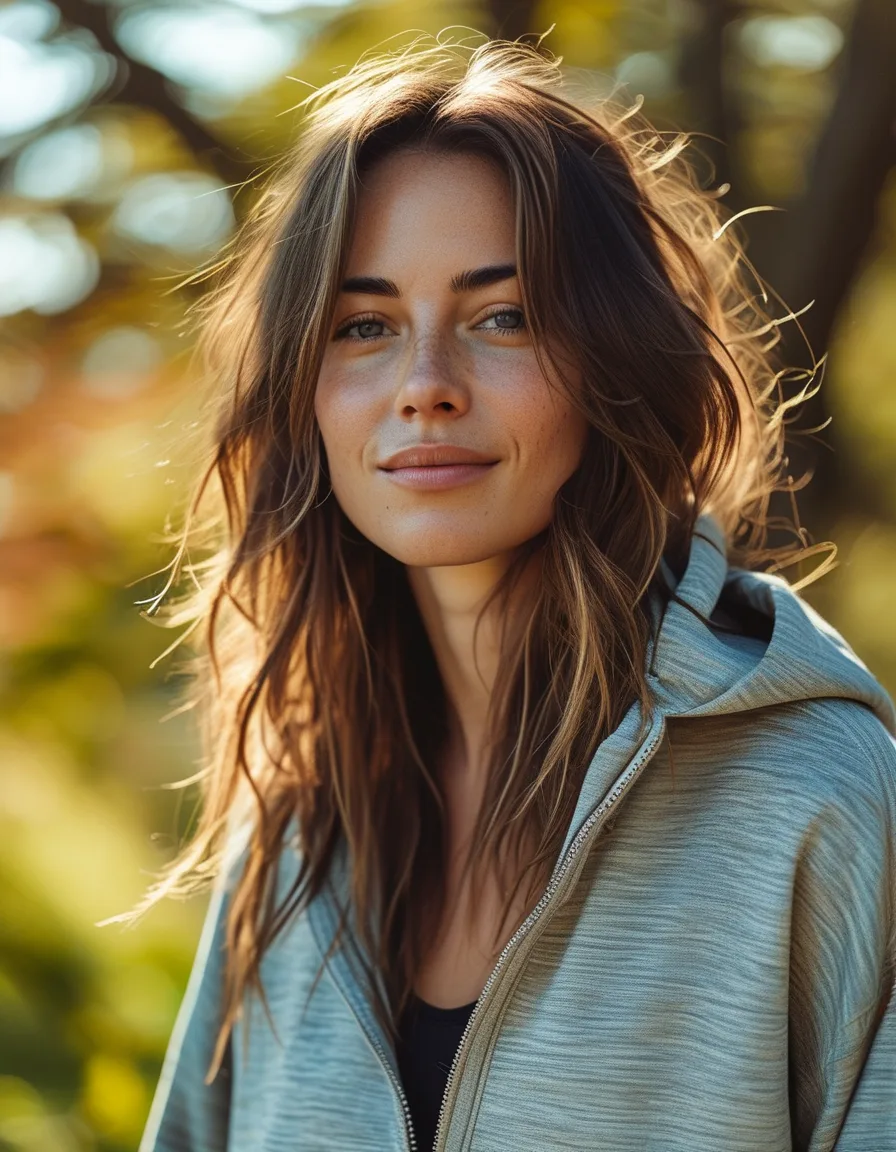
Seen here: UPF 50+ Racerback Yoga Tank Top — shop it on bubblelime.com
Keep Reading
This article is for general informational and styling purposes only. Fit, sizing, and product availability may vary.