How to Layer Modest Activewear for Fall Without Overheating
Quick Answer: Layer modest activewear in three functions: a fitted moisture-wicking base against the skin, a light insulating mid-layer you can remove without undressing, and a wind-blocking outer shell. The key is choosing removable middle layers that open — zips, buttons, wraps — so you can regulate temperature without compromising coverage.
The layering advice everywhere assumes you can strip down to a tank top when you get warm.
That is not the situation. Your coverage is not a comfort preference you abandon at mile two.
Which means the standard approach — pile on layers, remove as needed — has to be redesigned around a different constraint. Fortunately the redesign works better than the original in most respects.
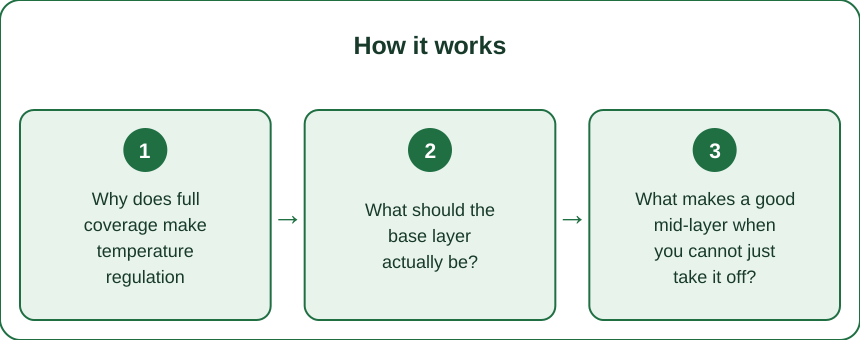
Why does full coverage make temperature regulation harder?
Because every layer traps a boundary of warm, humid air, and coverage means you cannot vent by removing area.
The physics: your body sheds heat through evaporation, convection, and radiation. Covered skin can still evaporate, but only if the fabric moves moisture away from the surface and the outer layers let it escape. If any layer blocks that chain, sweat sits on your skin and you overheat while simultaneously feeling clammy.
The other half is start-condition mismatch. Fall mornings are genuinely cold for the first ten minutes and then you produce substantial heat. You need to be slightly cold at the start — noticeably underdressed for standing still — or you will be overheated by minute fifteen.
The design goal, then: a system that vents without reducing coverage. That is entirely achievable, and it hinges on which layer you can open rather than which you can remove.
What should the base layer actually be?
Fitted, synthetic or merino, and long-sleeved. This layer does almost all the work.
Fitted matters more than people realize. A loose base layer holds a pocket of humid air against your skin and never wicks efficiently. Skin contact is what moves moisture.
Materials, honestly compared:
- Merino wool. The best overall for variable temperatures. It regulates across a wide range, resists odor, and stays warm when damp. It costs more and wears out faster.
- Polyester and nylon blends. Excellent wicking, dries fastest, durable, inexpensive. Holds odor unless treated.
- Cotton. Avoid entirely for the base layer. It absorbs moisture and holds it, which is uncomfortable in cool weather and genuinely risky in cold.
For modest coverage specifically: look for a base with thumbholes and a longer body. Thumbholes keep sleeves from riding up during arm movement, and a longer hem stays tucked. Both eliminate the gaps that produce a cold draft and constant adjusting.
Weight guidance for early fall: 150 to 200 gsm merino, or a lightweight technical knit. Heavier than that and you will overheat within twenty minutes of moving.
What makes a good mid-layer when you cannot just take it off?
It opens. That is the entire criterion.
Since removal is not the venting mechanism, the mid-layer must regulate while staying on:
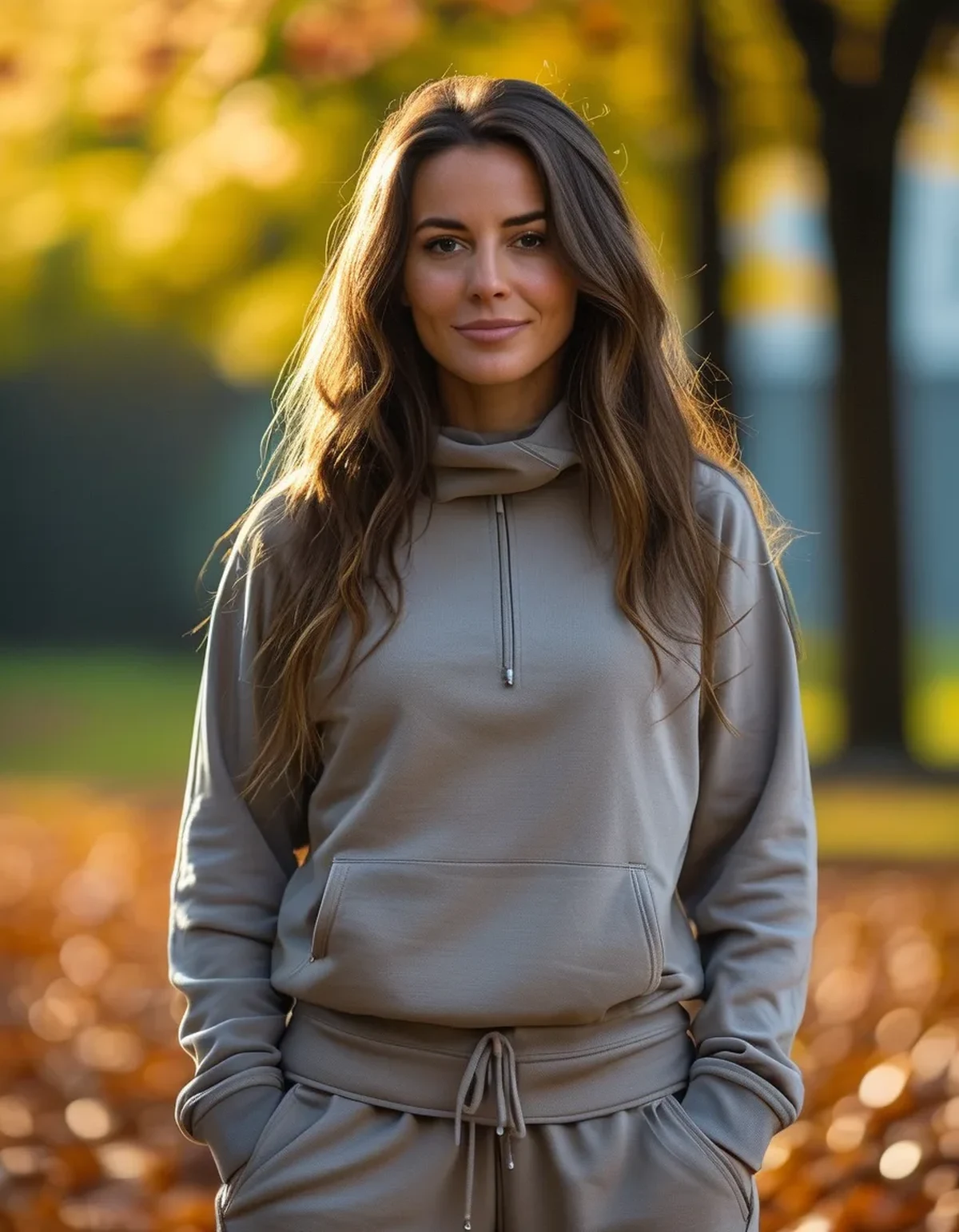
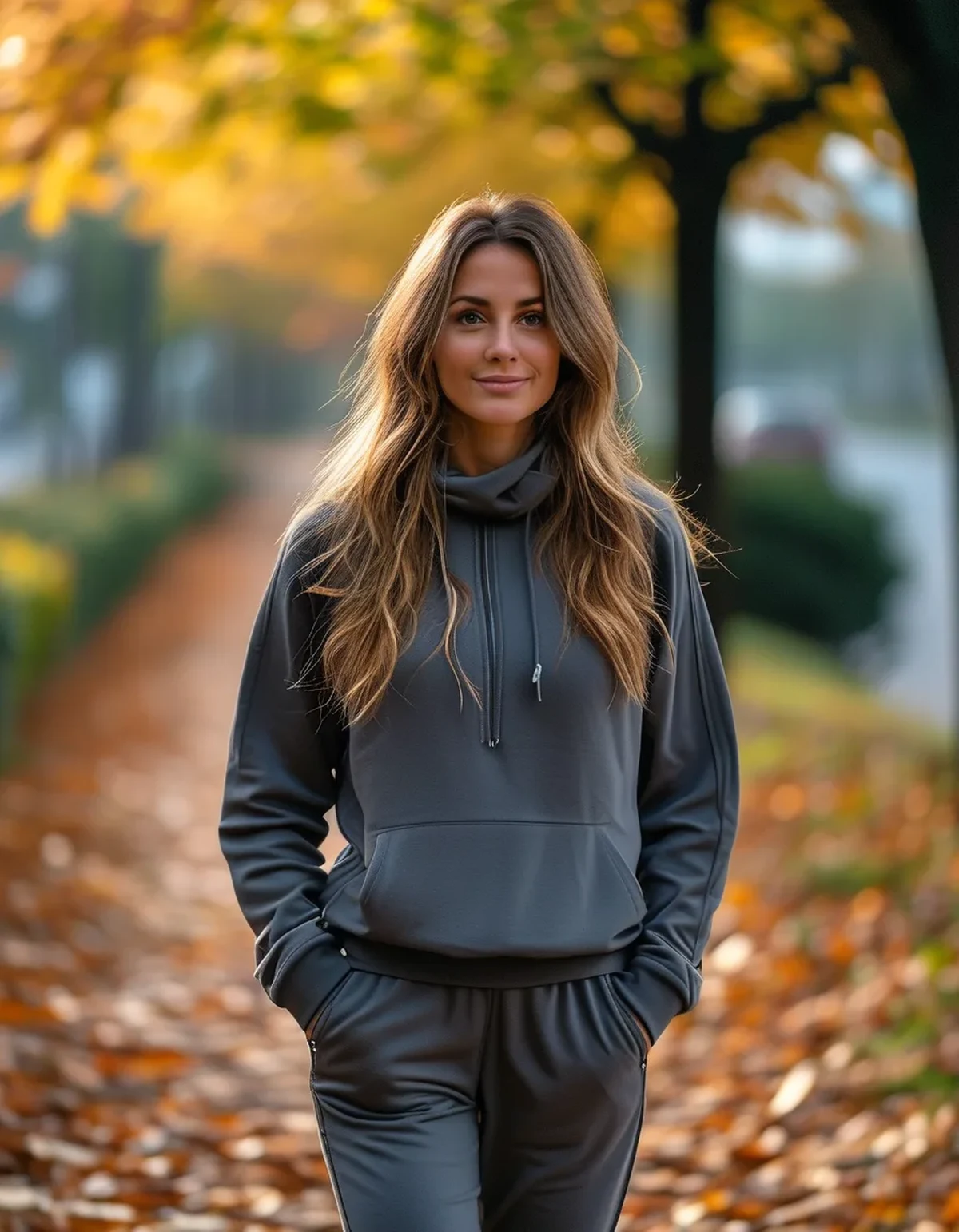
- Quarter-zip or half-zip pullovers. The single most useful garment in a modest layering system. Opening the neck vents an enormous amount of heat because so much circulation passes through there.
- Full-zip light jackets. Maximum control, and they can be opened fully while remaining on.
- Open-front cardigans or wrap layers in technical knit. Very effective, and they read as styling rather than sportswear.
- Vests. Underrated. They warm the torso while leaving arms free to shed heat, which is often precisely the balance you want.
Avoid pullover styles with no opening. A crew-neck fleece is warm and offers zero regulation — you are either wearing it or carrying it, and carrying it defeats the purpose.
Material: grid fleece or light synthetic insulation. Grid fleece specifically is designed with channels that move moisture while trapping warmth, which is exactly the combination this system needs.
What Nobody Tells You About Layering for Modesty
Sleeve length compatibility matters more than any individual garment. If your mid-layer sleeve is shorter than your base, you get a cold band at the wrist that no amount of overall warmth fixes. Check sleeve lengths as a set, not individually.
Longer tunic-length tops change your bottom-layer math. A tunic over leggings adds a layer of insulation to your hips and upper thighs, which means you often need lighter leggings than the temperature would suggest. People routinely overdress the legs.
Head and neck coverage is a large thermal lever. If you wear a head covering, you are already retaining significant heat — meaningfully more than someone bare-headed. That is genuine warmth to account for, and it usually means going one layer lighter on the torso than a chart recommends.
Two thin layers beat one thick one, every time. The air trapped between layers is the actual insulator. Two 150-weight layers outperform one 300-weight layer and give you a regulation option the thick one does not.
Wind is the variable that wrecks otherwise good systems. A perfectly calibrated layering setup fails completely in wind because moving air strips the warm boundary from your outermost surface. A very light wind shell — the kind that packs into its own pocket — is the highest-value item per ounce in cool-weather dressing.
Your hands and feet decide your comfort more than your torso. Circulation reduces to extremities first when you are cold. Good gloves often let you wear one fewer torso layer.
How do you calibrate it for a specific morning?
A workable rule and a short calibration process.
The rule: dress for 15 to 20 degrees warmer than the actual temperature. If it is 50°F, dress as though it were 65 to 70. You should feel distinctly underdressed standing at the door. That discomfort lasts about ten minutes and then becomes exactly right.
Fall temperature guide for covered layering:
- 60–70°F: Base layer alone, long sleeve, lightweight.
- 50–60°F: Base plus a quarter-zip or open-front layer, likely opened within fifteen minutes.
- 40–50°F: Base, mid-layer, and a light wind shell. Add gloves.
- Below 40°F: Heavier base, mid-layer, insulated shell, and cover the extremities properly.
Calibrate once and write it down. After each outing, note the temperature, what you wore, and whether you were too warm, too cold, or right. Four or five entries gives you a personal chart far more accurate than any general guide, because tolerance varies enormously between people.
One more practical note: carry a small packable shell whenever there is any chance of wind or rain. It weighs almost nothing, and it is the difference between a system that works and one that fails at a corner.
FAQ: Modest Layering Questions, Answered
How do I stop overheating on the treadmill indoors?
Indoor training removes the wind-chill factor entirely, so drop one full layer compared to outdoor dressing at the same temperature. A single lightweight long-sleeve base with a quarter-zip you can open usually covers most indoor conditions.
Are there fabrics that work better for full coverage specifically?
Look for lightweight, high-wicking knits in the 130 to 180 gsm range, with a smooth face. Loose weaves feel breathable while holding a humid layer against you; tight, technical knits move moisture better despite feeling denser.
What about layering under a longer tunic or dress?
Treat the tunic as your mid-layer. A fitted wicking base underneath and a light open jacket over it produces the same three-function system, with the tunic doing the insulating job.
TL;DR:
- Three functions: fitted wicking base, an openable insulating mid-layer, a wind-blocking shell.
- Since you regulate by opening rather than removing, zips and open fronts beat pullovers.
- Dress 15–20°F warmer than the temperature — feel underdressed at the door.
- Check sleeve length compatibility as a set; wrist gaps ruin otherwise good systems.
- Head covering adds real warmth. Account for it and go one layer lighter on the torso.
Once the system is calibrated, the whole thing becomes automatic — you check the temperature, grab three known pieces, and stop thinking about it. That first week of writing down what worked is what buys the rest of the season.
See It in Motion
Seen here: High Waist Yoga Leggings with Side Pockets — shop it on bubblelime.com
Keep Reading
This article is for general informational and styling purposes only. Fit, sizing, and product availability may vary.